


All of the signs were there: excessive thirst, rapid weight loss, and a bone-deep exhaustion that couldn't be explained.
At the same time, however, I was newly married, living in a new city, and focused on wrapping up my senior year of college. Like many twenty-somethings, I didn't have great health insurance.
Eventually, I was spending more time asleep than awake. I felt like a shell of myself—and at less than 100 pounds, I didn't look like myself anymore. While my symptoms grew increasingly harder to ignore, I resisted the expensive doctor's visit until it was almost too late.
After months of struggling, I finally caved and went to get blood work done. Less than 24 hours later, I received a life-changing phone call: At 21 years old, I was diagnosed with type 1 diabetes. My A1C was 13%. For my non-diabetic friends, this means my blood glucose (blood sugar) was averaging 326 mg/dl (the ideal range is 70–180 mg/dl).
With no history of type 1, my family was shocked. But we didn't have time to think. My blood sugar levels were life-threatening and required immediate hospitalization. I spent three days in the hospital recovering from diabetic ketoacidosis, a severe complication that occurs when your body stops making sufficient insulin. Instead of going into my cells for energy, my blood sugar (glucose) was building up in my blood stream at toxic levels. My body was in the process of shutting down.
My husband, Parker, slept by my hospital bed each night and took notes while diabetes educators and nurses helped us grasp what life would be like after I was discharged. Nothing could have prepared us for the journey ahead.
That first week after my diagnosis was full of sleepless nights. We set alarms to prick my finger and check my blood sugar every few hours, terrified that I would go dangerously low while asleep and we wouldn’t catch it.
Things that were once so simple—eating, exercising, sleeping—were instantly rocket science. Despite being a lifelong perfectionist, diabetes was something that I couldn’t “ace” no matter how hard I tried.
I would be lying if I said those months after my diagnosis weren’t bleak. There were moments where I feared I wouldn’t ever be able to enjoy the things I used to or turn off the “diabetes manager” side of my brain.
I can say with certainty, though, that I was never alone. Compassionate doctors and nurses went the extra mile in their care for me. One diabetes educator gave me her cell phone number, and I regularly texted her with questions and problems.
Parker took care of me when I couldn’t take care of myself. He helped me treat my first lows, calculate carbs, and went on “blood sugar walks” with me when I was running high. Almost four years later, he is still my rock and my shoulder to cry on when it feels like too much.
To anyone who is newly diagnosed with diabetes, I would like to say that there is life on the other side of this. Don’t be afraid to let others in and accept help when you need it.
If diabetes has taught me anything, it’s that life can change in a moment. You never know what’s around the next corner, whether it’s good news or bad. All you can do is appreciate the moment you have, the people you love, and the amazing things your body does for you each day to get you where you need to go.
Related Stories
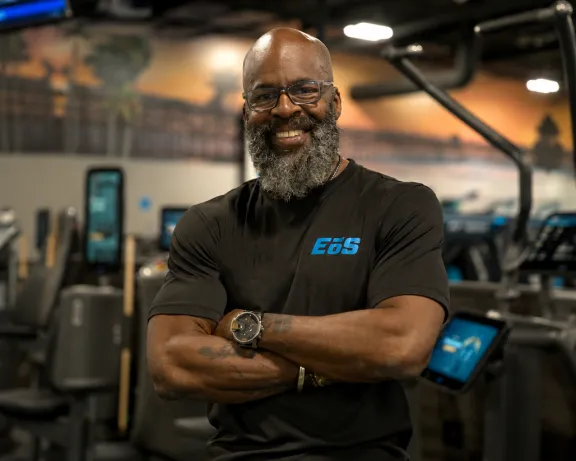
Meet Sam: Turning a Type 1 Diabetes Journey Into a Mission to Inspire

Meet Trinity: Surviving DKA (Ketoacidosis) and Learning to Live with Type 1 Diabetes
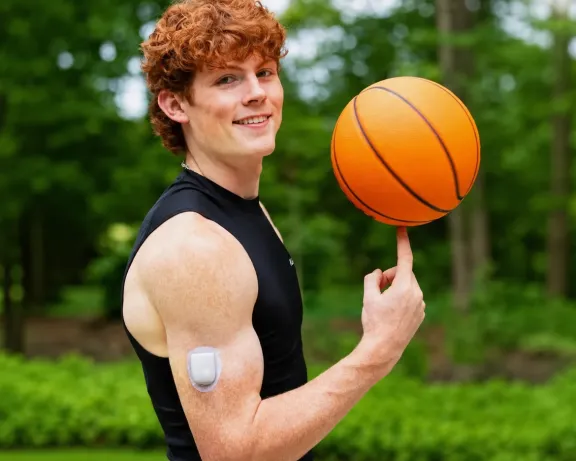
Meet Cooper: NCAA Athlete and Life with Type 1 Diabetes
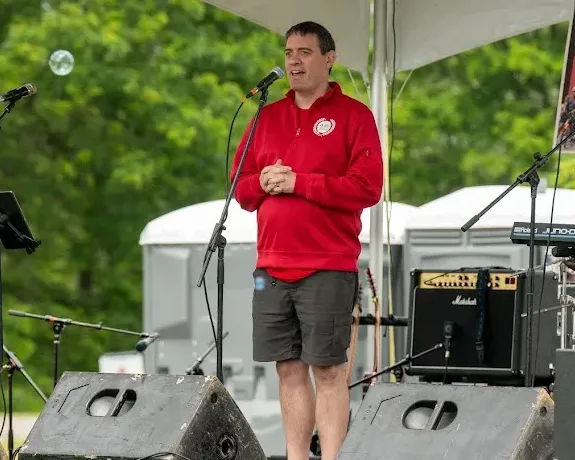
Meet Todd: Taking Action After Son's Type 1 Diabetes Diagnosis
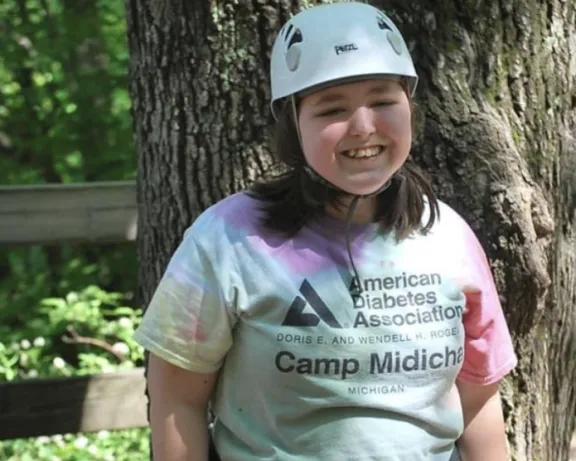
Meet Carly: Misdiagnosed at 10, Now a Powerful Type 1 Diabetes Advocate
Meet Logan: NFL Athlete Thriving with Type 1 Diabetes

Meet Stephanie: Figuring Out College and Type 1 Diabetes
Meet Tama: Type 1 Diabetes Diagnosis 43 Years Ago Leads to Career in Health Care
Give Today and Change lives!
With your support, the American Diabetes Association® can continue our lifesaving work to make breakthroughs in research and provide people with the resources they need to fight diabetes.