Keep Your Kidneys Healthy

The number one cause of kidney disease is diabetes. Understanding this connection is the first step to helping avoid kidney problems. Kidney disease affects one in seven adults in the U.S. 

Image
Family cooking food outside

Know Your Risk for CKD

If you are living with diabetes, you are at higher risk for chronic kidney disease (CKD). CKD is a serious condition, and its early stages have symptoms that are so mild you don’t notice them. You can find out if you have CKD early by getting checked at your regular health care visits. If you find out you have CKD, you’ll work with your health care team to create a treatment plan to stay healthy.

Knowing your risk and getting tested for CKD are important steps to protect your kidney health.

Why Kidney Screenings Matter

Your kidneys help filter waste from your blood. Over time, high blood glucose (blood sugar) and high blood pressure can damage your kidneys. Because CKD often develops without symptoms you can notice, getting checked for it regularly is the best way to find out about kidney problems early. This way, you can start a treatment plan as early as possible to protect your kidney health.

Kidney Health Tests

Your kidney health is checked with two simple tests that you can get during your regular health care visits:

  1. Urinary albumin-to-creatinine ratio (UACR). This urine test checks for albumin, a type of protein that can leak into your urine when kidneys are damaged. Even small amounts of albumin may be an early sign of kidney disease.
     
  2. Estimated glomerular filtration rate (eGFR). This blood test measures creatinine in your blood to see how well your kidneys filter waste. This helps you know how well your kidneys are working, and if you have CKD, the stage you have.

Learn more about other diabetes health checks.

Educational Toolkit

Find a toolkit full of educational materials to help you understand the connection of diabetes and kidney disease. Recognizing this link is crucial for preventing kidney issues. Educate yourself on diabetes and kidney health and learn how to lower your risk with these English and Spanish resources.

Image
Shot of a doctor reading a pamphlet about covid
Image
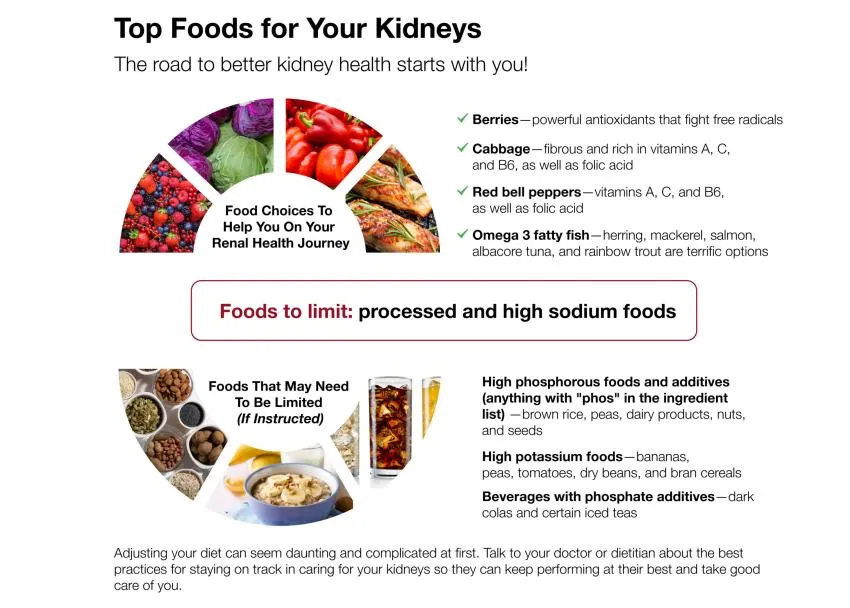
Infographics for kidney top food

Late-Stage Kidney Disease

Stage 4 or stage 5 of chronic kidney disease means the kidneys are losing more of their function. Get helpful information on how to manage late-stage kidney disease.

Here is some expert advice from nephrologists that can help you manage advanced CKD along with five things to discuss with your doctor.

Open PDF

Stay informed and never miss out!

Sign up to receive the latest resources and event updates directly to your inbox.

Discover the latest clinical practice recommendations and learn more about the management of diabetic kidney disease with our primary care professional resources below.

2026 Standards of Care

The Standards of Care in Diabetes—2026 is here, with updated evidence-based guidance on continuous glucose monitor use, individualized obesity treatment, nutrition and physical activity, and more.

Image
Diabetes Care cover Standards of Care in Diabetes 2026

Key Resources for Your Journey

Diabetes and Kidney Friendly Meal Planner

Use this placemat as your action plan for diabetes and kidney friendly meals. This Meal Planning Guide was developed for individuals who are not on dialysis.

Diabetes-Related Chronic Kidney Disease

Check out the latest infographic for people living with diabetes. This provides a visual guide of risk factors for developing CKD and how health care professional diagnose CKD. 

Kidney-Friendly Cooking Classes

Kidney-Friendly Chicken Wild Rice Asparagus Soup
How to Make Roasted Chicken with Vegetables and Cranberries

Supported in part by Bayer HealthCare Pharmaceuticals Inc., Boehringer Ingelheim, DaVita, and Novo Nordisk.