
Meet Brittany: From Physician Associate Student to Type 1 Diabetes Patient


Three days before my 23rd birthday, I was diagnosed with type 1 diabetes. I didn’t look sick, I was pushing through exams, studying, and running off caffeine like your typical physician associate (PA) student. But in reality, I had lost 15 pounds in a month, was waking up constantly to urinate in the middle of the night, was incredibly tired, and had insanely dry skin. I was so tired I would pass out while studying at my kitchen table (at 2:30 p.m.), while going to the bathroom, or even getting up off my couch. I attributed this all to “this is the life of a PA student, I guess I am just really tired.”
On a break from school, I went in for routine lab work. I didn’t think anything of it, until I got my results back.
My fasting blood sugar was 146 (normal is <100) and my A1C was 7.4% (normal is <5.7%). I had just learned about lab values in school, and this was screaming red flags to me, “DIABETES,” considering I have never had these types of lab values. After seeing my labs, I quickly, before my doctor even called me, ordered my own labs to screen for autoantibodies associated with T1D. In my case, they are attacking the insulin-producing cells in my pancreas.
My autoantibodies came back out of normal range. The numbers were strongly diagnostic for T1D, pretty much confirming it.
I had an online appointment with my primary care physician (PCP) while these results were coming in. I discussed the potential of having T1D or latent autoimmune diabetes in adults (LADA), and my PCP said, “You are too young to be diagnosed with LADA, and I am not sure you have T1D.” I was then prescribed Farxiga, a medication for type 2 diabetics, and was given an emergent referral to an endocrinologist in West Palm Beach.
At this time, I already began finger poking to check my blood sugar fasting, after every meal, and before I went to bed. After meals, my blood sugar went as high as 260–280. I also began checking my ketones. Ketones are present when the body breaks down fat for energy instead of using glucose. My ketones were moderate to high already, indicating I am teetering very close to diabetic ketoacidosis (DKA), a life-threating condition. The medication prescribed to me, Farxiga, is an SGLT2 inhibitor intended for type 2 diabetes, not type 1. It essentially lowers blood sugar by excreting glucose in the urine. This would “artificially” lower my blood sugar. Sounds like a good idea to take that medication, right?
Wrong. The combination of minimal insulin production plus Farxiga can trigger euglycemic DKA, a form of DKA where my blood sugar would “look fine” but my ketones would shoot through the roof. I would have no idea I would be in DKA because it masks the warning signs associated with high blood sugar. Considering my ketones were already high, the combination of this medication and minimal insulin production would have accelerated potential DKA to a matter of hours or days, not weeks.
I would love to say I knew to not take this medication, or I had learned that this was a contraindication, but in reality, I was just going off of an overwhelmingly bad feeling I had about this medication. So, I ended up not taking it from the “gut feeling” I had. I am so glad that I listened to that voice in my head, because I was living alone in West Palm and my parents were five hours away.
Keep in mind, this was all happening right before my white coat ceremony for PA school, along with school from 8:00–5:00 and exams. Having to balance this was incredibly difficult, but I could have never done it without my mom and dad staying in West Palm Beach for me. My mom practically lived with me all of the second quarter of school.
On the brighter side, I am doing so much better. I feel better and am learning to manage this chronic disease. I have a continuous glucose monitor and an insulin pump, and life is starting to go back to normal (a new normal).
As a type 1 diabetic PA student, I now view medicine through a completely different lens. Going from a future provider to a T1D patient has given me a much deeper understanding of what people living with chronic illnesses face every single day.
I decided to share my story because I want people to be aware of the signs of type 1 diabetes, question results, and advocate for themselves. Because I truly believe if I would not have ordered my own labs, listened to that voice in my head, or questioned a prescription, I might not be here today to tell this story.
Related Stories

Meet Alexis: Years of Misinterpreted Symptoms to Diabetes Diagnosis
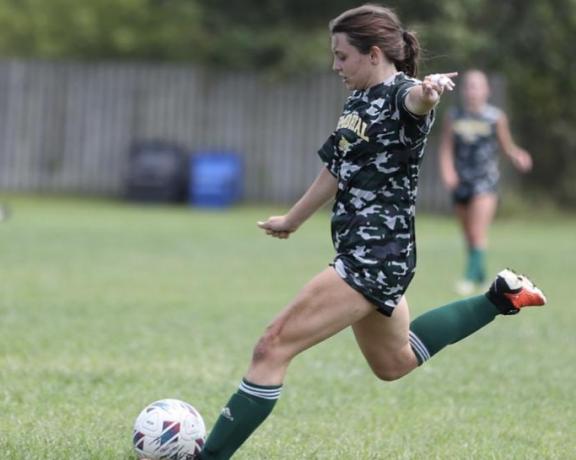
Meet Margaret: Doing What You Love with Type 1 Diabetes
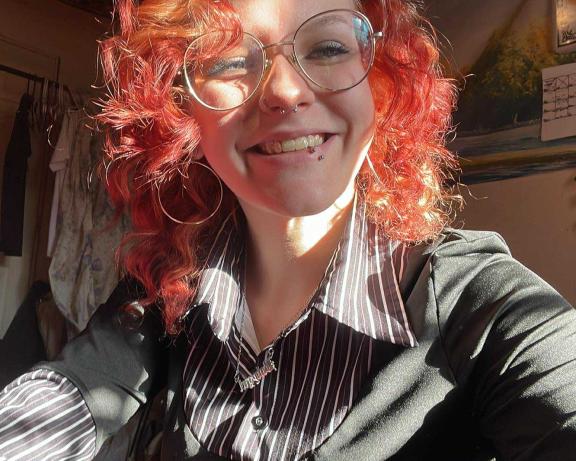
Meet Faith: Learning to Navigate the Challenges of Type 1 Diabetes

Meet Kassandra: 10 Years of Thriving with Type 1 Diabetes
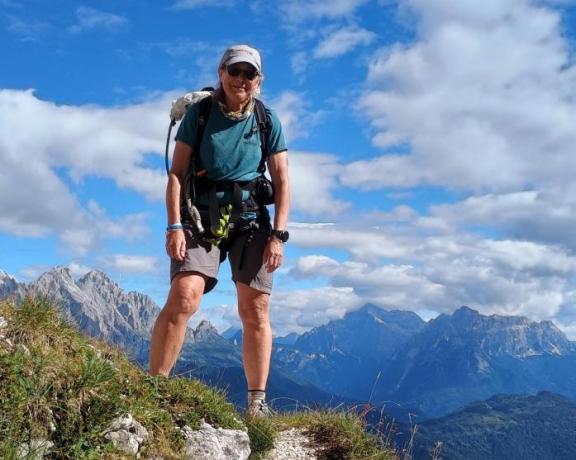
Meet Ginny: Living Life to the Fullest with Type 1 Diabetes
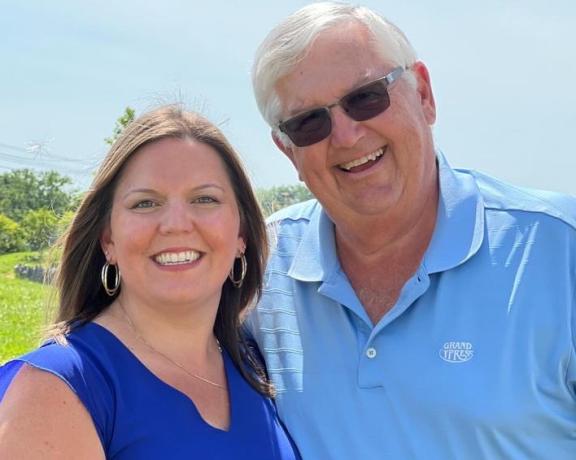
Meet Michelle: Caregiver and Diabetes Advocate
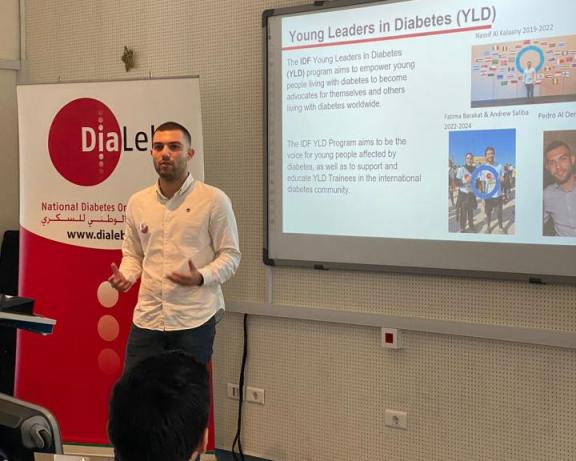
Meet Pedro: Finding New Purpose with Type 1 Diabetes
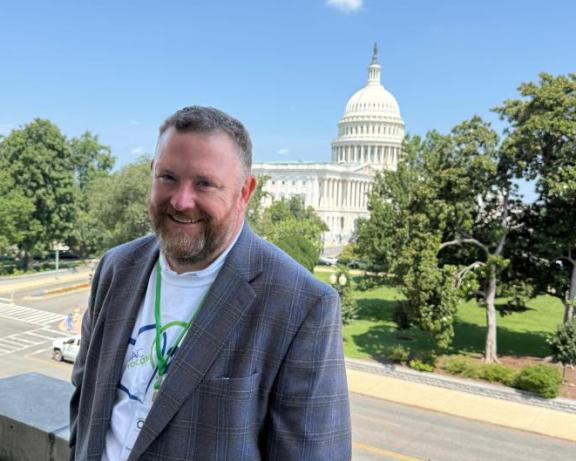
Meet Michael: Advocate for Quality Care with Type 2 Diabetes
Give Today and Change lives!
With your support, the American Diabetes Association® can continue our lifesaving work to make breakthroughs in research and provide people with the resources they need to fight diabetes.