
Meet Alexis: Years of Misinterpreted Symptoms to Diabetes Diagnosis


Eight months ago, I was diagnosed with type 1 diabetes after nearly a week in the ICU. Eight months since hearing the words that finally explained what had been happening to my body. And eight months of slowly piecing myself back together physically, emotionally, and mentally.
I was diagnosed specifically with LADA, latent autoimmune diabetes in adults. But the truth is, it didn’t start the day I was diagnosed. It took years for me before anyone realized what was wrong.
I spent months to years reporting symptoms that were dismissed or misinterpreted. Six months before my ICU stay, I told my provider during a virtual visit that I was losing weight unintentionally. Had labs been drawn then, I likely could have avoided the long slide into diabetic ketoacidosis (DKA). But the signs were missed, and I kept pushing through life, trying to convince myself that maybe nothing was wrong or worse, that it was “all in my head.”
During that year, my health deteriorated in ways I struggled to articulate. I was constantly exhausted, agitated, increasingly unable to function at work, and increasingly unable to function more than a couple of hours at a time. I made multiple ER visits for abdominal pain and other symptoms over the years but was always sent home without answers. I was misdiagnosed with irritable bowel syndrome (IBS), a diagnosis that often carries stigma and is frequently attributed to anxiety. I started to internalize that maybe your body isn’t failing, maybe you are.
Meanwhile, my physical symptoms escalated. I was sweating through clothes, losing 20–25 pounds, and feeling too weak to get through a normal day. People around me noticed changes, not necessarily my declining health, but that I seemed sad, withdrawn, or different. Still, I kept pushing. The morning before I was admitted to the ICU, I even attended a weight-lifting class, telling myself I just needed to get stronger.
Looking back, I am grateful for the choices I made in the middle of the uncertainty. I had quit my job and sold my condo outside of Boston right before my diagnosis. I moved in with my mom, who ended up being the steady support I desperately needed. These choices freed me from many responsibilities that allowed me to focus on my health after being discharged from the hospital.
The night everything changed, my mom begged me to call an ambulance, and even my dog sensed something was terribly wrong. On the ride to the hospital, before the EMT checked my blood sugar, I already knew. My blurry vision from the previous two weeks suddenly made sense. When the EMT read “357” and asked if I had diabetes, I said no, but internally I had already accepted the truth. For the first time in months, I felt a strange sense of relief. This time, someone would finally help me.
My DKA was advanced by the time I arrived. I often think about how different things might have been if I had been taken seriously earlier. But I also learned something vital: your body will tell you when something is wrong. You have to trust it, even when others don’t.
My story isn’t unique. Many young women are told their symptoms are dismissed as anxiety or stress when in reality, something serious is going on. So, if you feel unheard, keep pushing. Ask again. Go back to the ER. Advocate for yourself even when it’s exhausting. Your life is worth the persistence.
While I’m still adjusting to life with type 1 diabetes, I’m also starting to see the ways this diagnosis has given me new direction. I have ideas for improving diabetes supplies and technology. I want to use my nursing background and now my lived experience to help others who are struggling or searching for answers.
I haven’t quite found my diabetes community yet, but I’m hopeful. These past eight months have shown me that even after the hardest year of my life, there is a future ahead of me and one where I’m stronger, more vocal, and more connected to a purpose I never expected.
Related Stories

Meet Sam: Turning a Type 1 Diabetes Journey Into a Mission to Inspire

Meet Trinity: Surviving DKA (Ketoacidosis) and Learning to Live with Type 1 Diabetes

Meet Cooper: NCAA Athlete and Life with Type 1 Diabetes
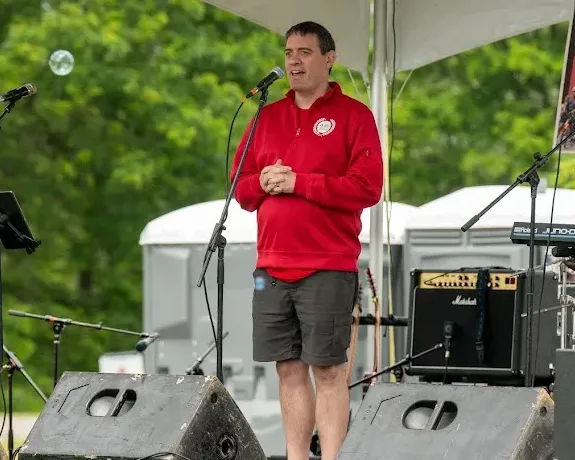
Meet Todd: Taking Action After Son's Type 1 Diabetes Diagnosis

Meet Carly: Misdiagnosed at 10, Now a Powerful Type 1 Diabetes Advocate
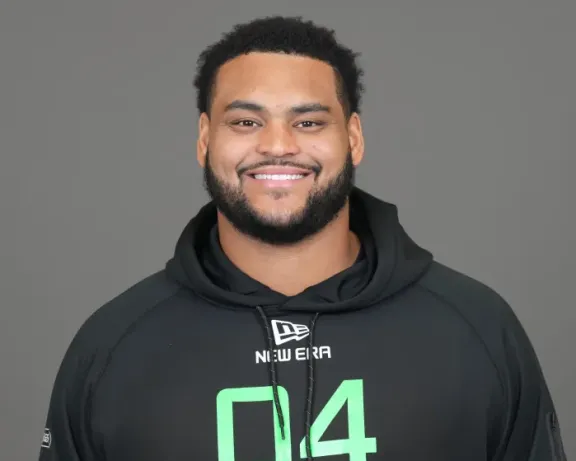
Meet Logan: NFL Athlete Thriving with Type 1 Diabetes

Meet Stephanie: Figuring Out College and Type 1 Diabetes
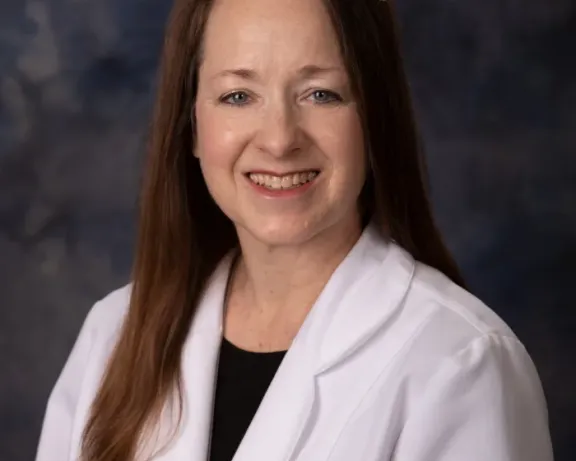
Meet Tama: Type 1 Diabetes Diagnosis 43 Years Ago Leads to Career in Health Care
Give Today and Change lives!
With your support, the American Diabetes Association® can continue our lifesaving work to make breakthroughs in research and provide people with the resources they need to fight diabetes.