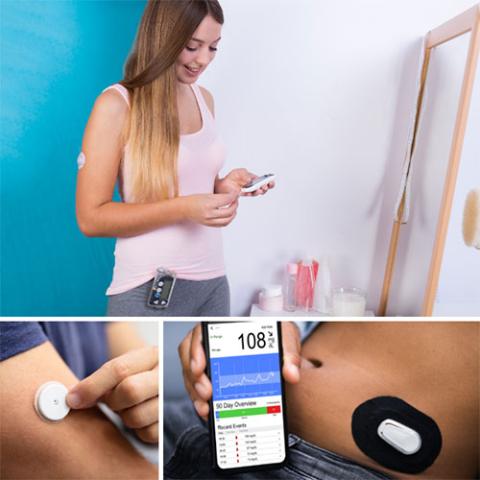

What is a CGM?
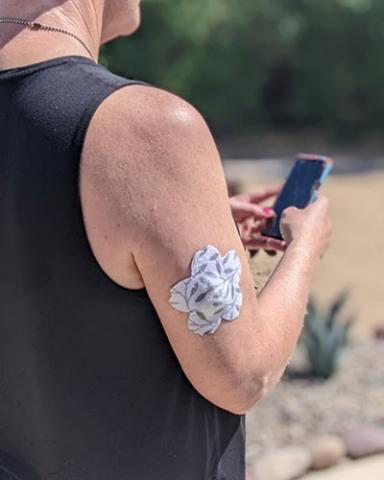
CGMs continually monitor your blood glucose (blood sugar), giving you real-time updates through a device that is attached to your body. They have become popular and more accurate over the years and are now considered a viable treatment option for people with diabetes.
Advances in CGM technology have made our lives easier, and that goes for people with diabetes as well. Insulin administration and blood glucose monitoring have transformed from multiple finger pricks in a day to a few swipes on a cell phone. With a CGM, one can see in real time if they’re trending high or low and take preventative measures against hypoglycemia (low blood glucose) and hyperglycemia (high blood glucose). Real-time continuous glucose monitoring has led to tremendous outcomes for people with diabetes who, without a CGM, may have experienced potentially life-threatening complications.
With the benefits and ease of use that a CGM provides, it would be natural to assume everyone with diabetes has one, or at least has access to one. That, however, is not the case. Studies show that poorer, older Black and Brown Americans and Americans on Medicaid have less access to CGMs than their counterparts. This is a health disparity we can’t ignore. People with diabetes have the right to access the latest technologies. Federal and state government officials can and should take steps to drive improved and more uniform coverage policies for diabetes technology and supplies within.